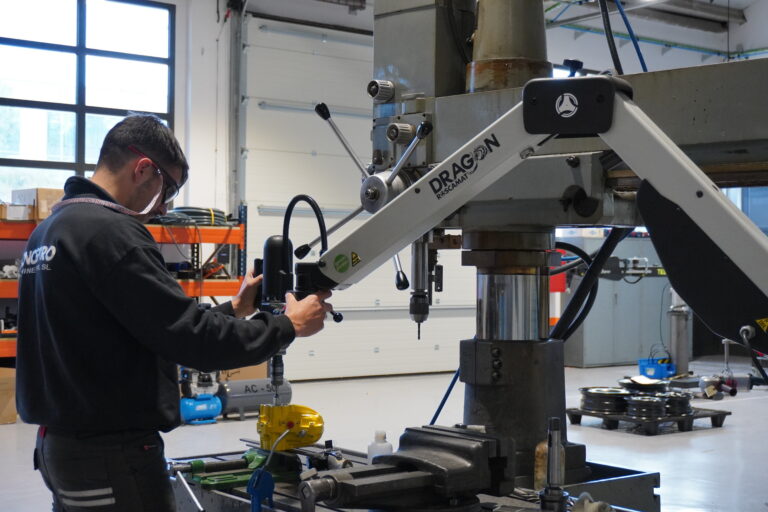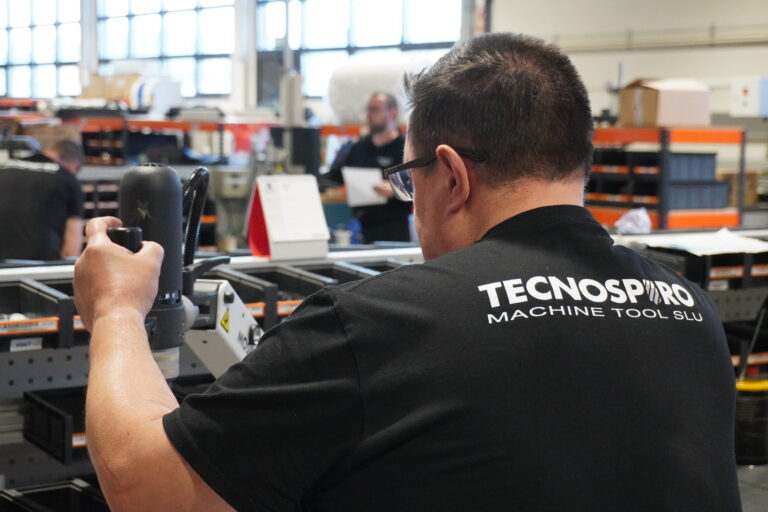
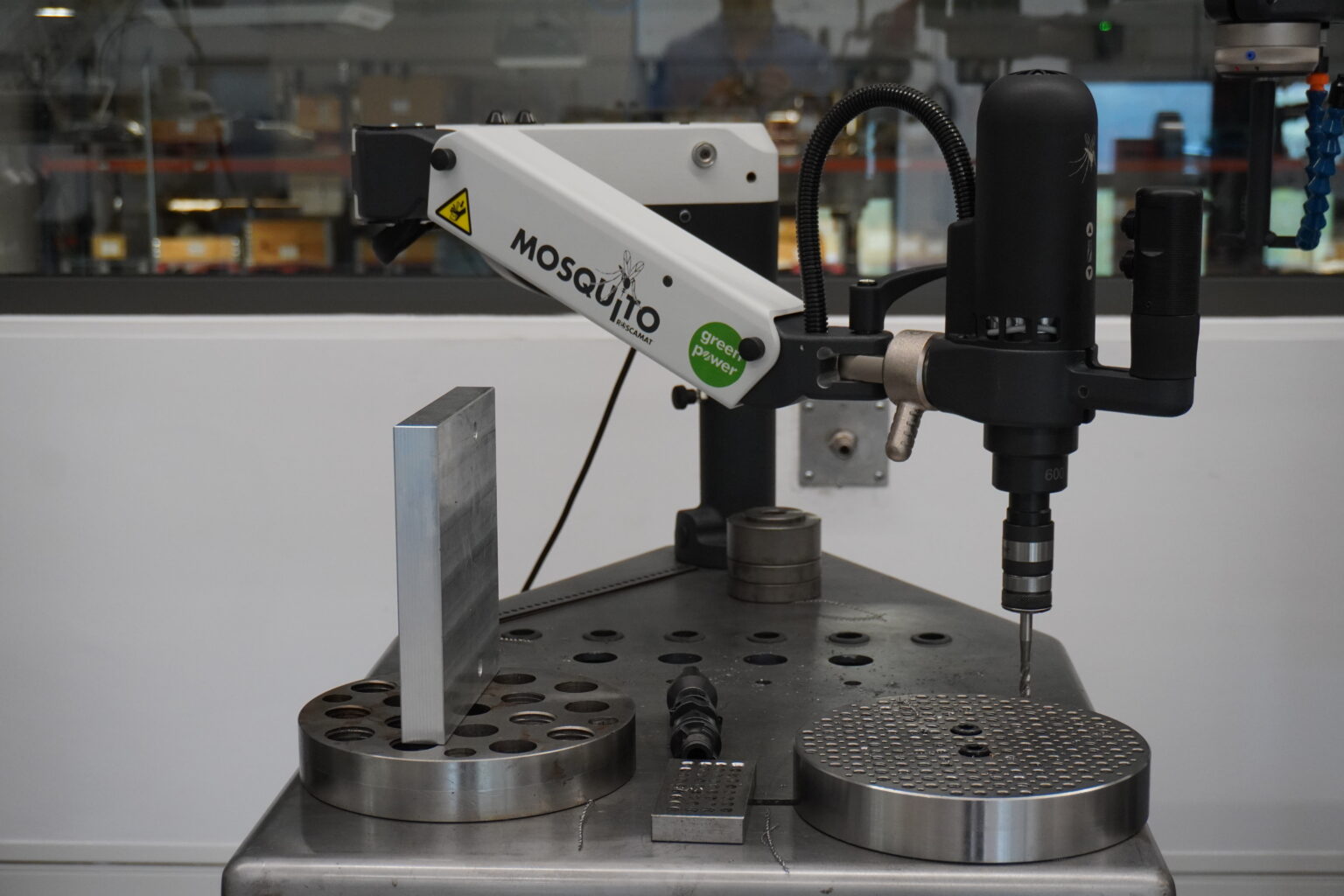
In the high-demand metalworking industry, finishing operations determine the commercial viability and technical excellence of components before assembly or shipment. Industrial tapping machines are located at the core of this operational ecosystem, where any geometric deviation or unscheduled shutdown due to tap breakage degrades Overall Equipment Effectiveness (OEE) rates and raises unit costs. When plants face uninterrupted work regimes in three shifts, traditional reactive approaches become obsolete.
Advanced kinematic adjustments and process selection according to metallurgy
Maximizing the part transfer rate in the machining line requires rigorously adapting the thread generation method to the mechanical properties of the base material.
In industrial production environments processing ductile components, such as aluminum alloys or low-carbon steels, replacing traditional cutting by tapping in favor of roll form tapping represents the greatest efficiency vector available. By displacing the material plastically instead of shearing it, roll forming significantly increases the tensile and fatigue strength of the thread, generates minimal surface roughness, and completely eliminates the production of metal chips, eradicating downtime associated with cleaning and waste removal from the bed.
When design conditions or material specifications for refractory and stainless steels impose cutting tapping, optimization must focus on managing axial forces and guiding the cutting edges.
Scientific management of automatic lubrication and thermal dissipation
Friction generated during continuous high-speed machining causes an exponential thermal increase in the contact zone that degrades threading dies and taps if high-pressure cooling systems do not intervene. A copious and continuous flow of synthetic cutting oil or soluble emulsion, directed exactly to the point where the cutting edge penetrates the metal, stabilizes the surface temperature and acts as a dynamic agent for flushing micro-chips. The absence or deficiency of this fluid accelerates friction wear, alters the dimensional tolerances of the thread pitch, and can cause catastrophic seizure of the tool inside the material.
For industries committed to Process Automation and the reduction of manual interventions, the electronic management of automatic lubrication circuits is mandatory. Maintenance guidelines require disinfecting and cleaning the reservoir filter every forty hours of continuous service, regulating the relief valves to optimize flow pressure based on the viscosity of the oil used.
Material flow automation and integration into the smart factory
The global optimization of industrial tapping machines in a B2B ecosystem is not limited to the machining head; it must encompass the periphery of the plant’s internal logistical flow. Downtime resulting from manual loading and unloading of components erodes the profitability of the operational cycle in long series.
The integration of continuous feeding systems through automated linear feeders limits the intervention of technical staff to strategic supervision tasks. Likewise, in heavy-duty applications involving heavy pipes or structural bars, adopting dual-clamping hydraulic chucks guarantees instantaneous clamping with symmetric torque, preventing angular displacements that destroy the thread profile.
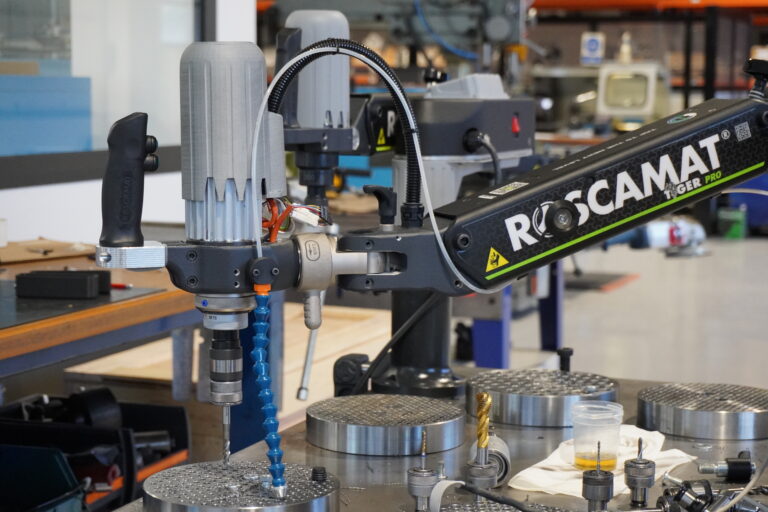
This electromechanical connectivity is complemented by the digitalization of process control through the touch screens integrated into the articulated arms. Internal sensors permanently monitor the torque-angle curve in the Z-axis; if the software detects an unusual increase in resistance due to a deviation in the pre-drill hole diameter or a metallurgical burr, it automatically reverses the motor rotation, safeguarding the physical integrity of the tap.
For mass industrial production plants processing hard alloys that require a long-reach chassis provided with these superior digital capabilities, we recommend analyzing the operational advantages of the Tiger series, which offers an extended capacity up to M27 combining structural stability and control flexibility.
Predictive maintenance discipline and in-line quality control
The only effective shield against extra costs from unexpected shutdowns on the assembly line is the implementation of a rigid predictive maintenance discipline supported by process digitalization. At the end of each work shift, the technical protocol requires cleaning accumulated chips by blowing or suction and checking cutting fluid levels.
On a weekly basis, reviews must cover the lubrication of the weightless joints of the radial arm, checking belt tension, and checking the stability of the electrical connections of the electronic modules.
Quality assurance through in-process inspections prevents the propagation of faults throughout full manufacturing batches. The periodic use of Go/No-Go thread plug gauges and calibrated digital micrometers allows mapping the natural wear of the dies before micro-deviations affect the critical tolerances demanded by highly responsible sectors such as automotive, aerospace, or industrial valves.
Energy sustainability and functional versatility in the common market
The modernization of metalworking infrastructure in Europe is directly linked to decarbonization and resource efficiency regulations. Old pneumatic tapping tools involve massive efficiency losses due to chronic leaks and pressure drops in the compressed air networks of industrial buildings.
Shifting toward industrial tapping machines based on high-frequency electric induction motors decreases energy consumption by more than seventy percent, demanding electricity exclusively during the useful tap penetration stroke, which simplifies passing energy audits associated with the international ISO 50001 certification.
This economic sustainability multiplies thanks to the versatility provided by advanced articulated arms equipped with VH-type orientable heads, which make it possible to alter the machining direction by ninety degrees to tap in vertical, horizontal, or inclined planes without the need to reposition or flip the parent part on the workbench.
Through quick-change tool holders equipped with a safety clutch, the operator can transform the tapping machine in a matter of seconds into a multifunctional station capable of executing Secondary Machining Operations such as countersinking, light reaming, chamfering, or the rapid insertion of wire thread inserts.
Maximize your plant’s productivity with Roscamat engineering
The success of a continuous production strategy in the machining sector does not depend on isolated modifications to tools, but on the selection of an ecosystem that integrates maximum structural robustness with precise control electronics, ergonomic systems that protect the operator’s occupational health, and high adaptability to modern automated environments.
At Roscamat, we design and manufacture high-frequency electric articulated arm systems specifically engineered to withstand the most severe working conditions in the European industry, guaranteeing perfect threads, eradicating costs from tap breakage, and optimizing logistical delivery times.
If your operations department is ready to raise OEE ratios and drastically reduce workshop operating costs, we invite you to establish direct communication with our team. We will perform a personalized analysis of your components’ geometries and the metallurgical demands of your plant to configure a technological proposal that immediately boosts the competitiveness and profitability of your business.